Telling our community’s story
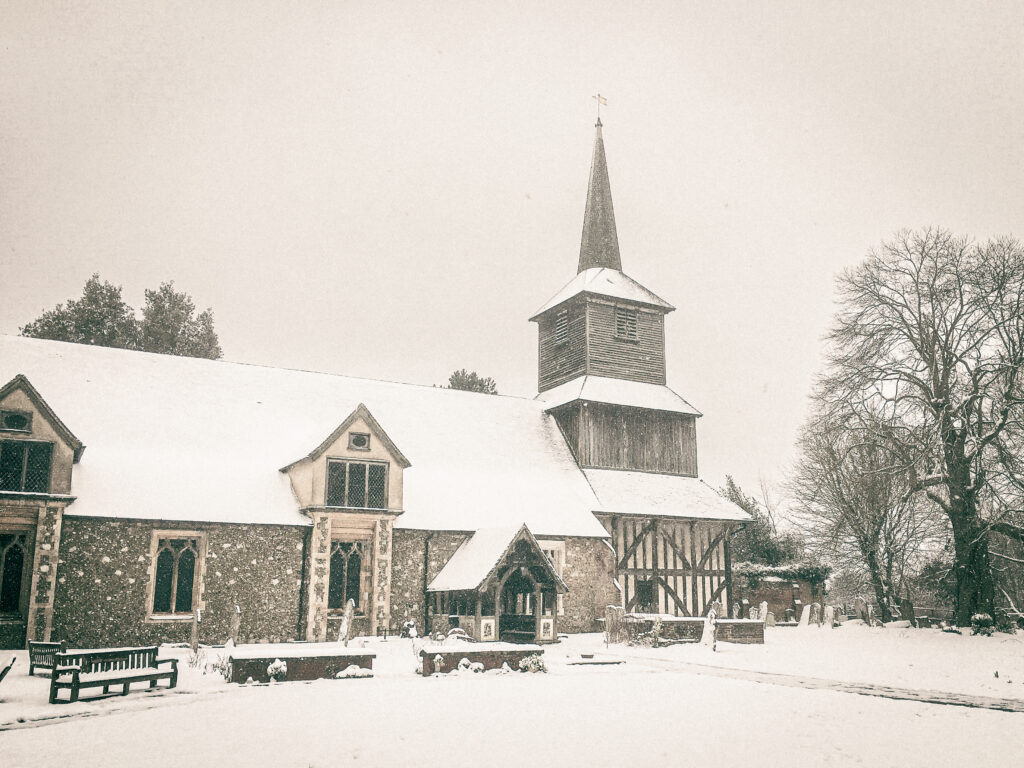
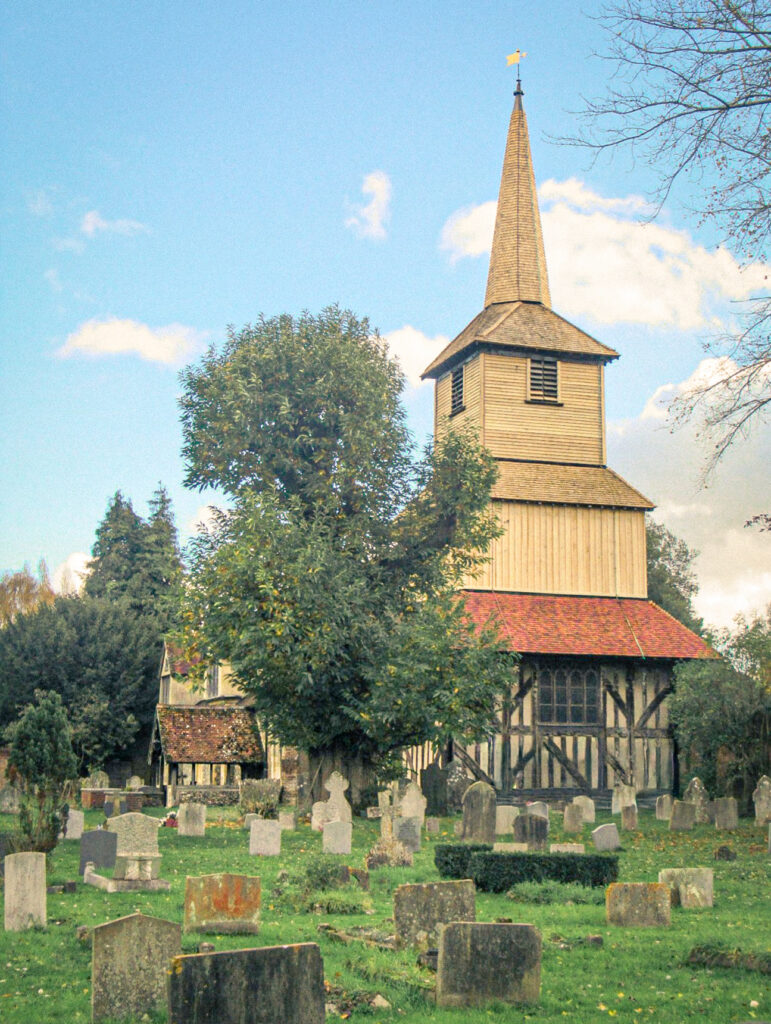
Our community stretches back over 900 years which presents us with a challenge when trying to tell our story. Through the generations, while some stories have been handed down, sadly, many have been lost.
But what does remain are the physical objects and buildings that were made and used by the characters in the stories and that they passed on and entrusted to us.
Even though many individual stories have been lost, the building remains as a monument to the members of our community who’ve gone before us.
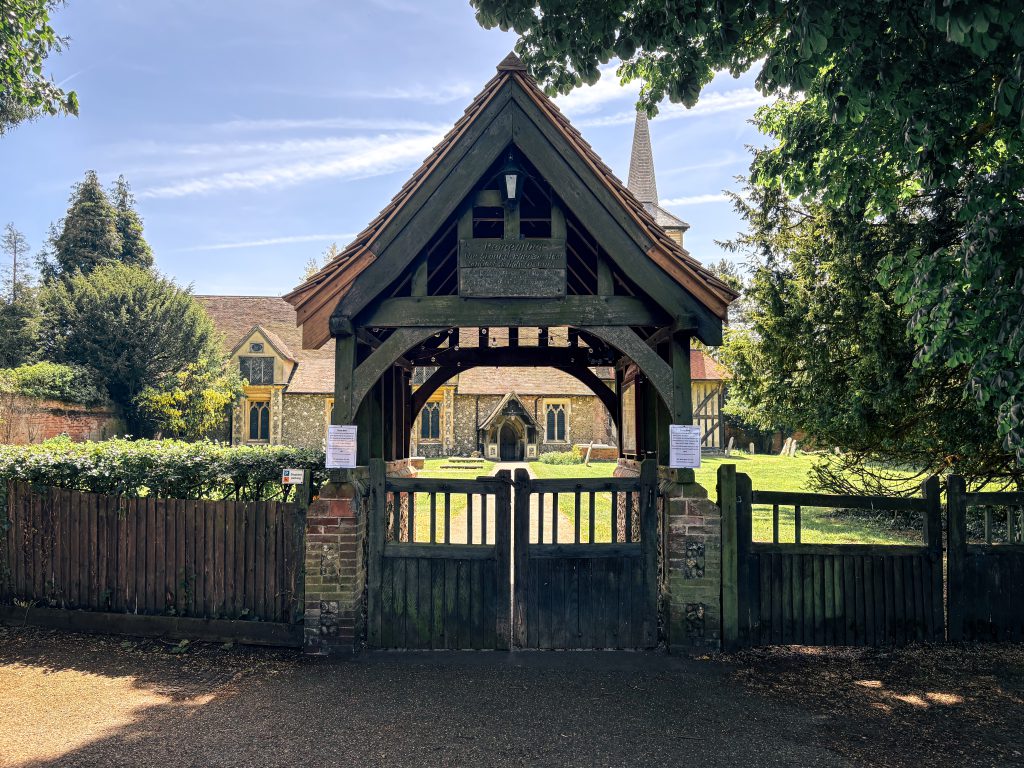
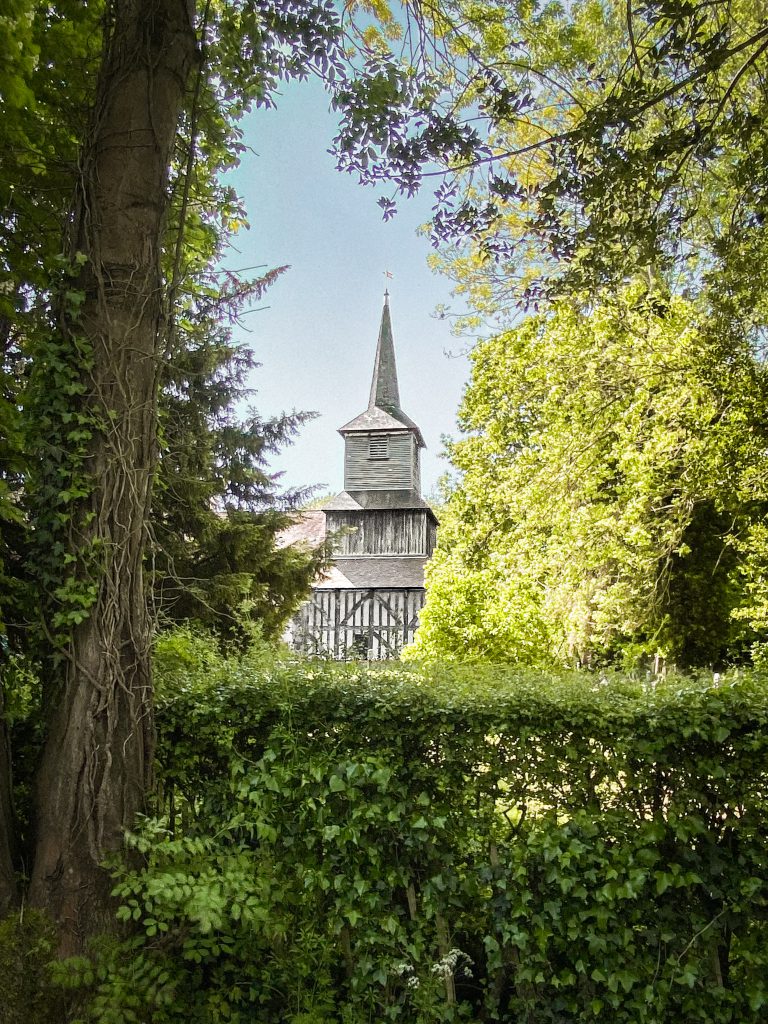
One simple way of tracing the story of our community is through telling the story of the evolution of our church building and how it’s been used over time. And so we seek to look after and preserve our church building to honour the memory of the lives, and particularly the faith, of those who went before us.
But how do we go about telling that story?
How we’re sharing our story
As we tell the St Laurence-community’s story, the stories end up being a mixture of those of individuals that have survived the transmission between generations and those about the development of our church building.
But even as we tell the story of our building, we’ll try to do so through creating caricatures that, as faithfully as possible, imagine real members of the church’s community.
You can find those stories in the History pages of our website.
But, there can also be so much more to storytelling than just the literal stories and words that are used. A story can also be told, and enhanced, through graphics and images too.
The graphics, images, fonts and colours that you see throughout our website have each been selected thoughtfully and deliberately. They’re also a part of us telling our story and sharing our heritage.
Here’s how we’re also using fonts, colours and imagery to tell our story …

Typography
We’ve selected our two typefaces for their functionality and their connection to different eras of St Laurence’s history.
Libra MN, which we’re using for titles and headings, is an uncial typeface, acknowledging the church and priory’s foundation in the Middle Ages.
Uncial scripts were used commonly in early English Christian hand-copied texts of the Middle Ages. This particular interpretation of an uncial typeface was chosen specifically because it’s distinctive, smart and simple to read.
The Garamond font family are serif typefaces originating in the Early Modern Period. Garamond typefaces were commonly used in early literature produced using the printing press.
This alludes to St Laurence’s important historical connections from this era with Henry Fitzroy, Elizabeth Blount and King Henry VIII. This typeface has been selected because of its recognisable associations, and because it’s easy and comfortable to read in large blocks of text.


This illuminated opening page from the 8th-century Lindisfarne Gospels introduces St Matthew’s account of the genealogy of Jesus. Crafted in intricate Celtic and Anglo-Saxon knotwork, the large decorative letters spell out the Latin words ‘Liber generationis’ (‘The book of the generation …’), with tiny 10th-century Old English translations squeezed into the right-hand margin.
The Lindisfarne Gospels, f. 27r (Cotton ms Nero D.IV), written and illuminated by Eadfrith, Bishop of Lindisfarne, (c.715–720 ad), with an Old English gloss by Aldred the Scribe (c.950–970). Held by the British Library, London (Public Domain / © British Library Board).
Colours
Our colour palette was put together with consideration of St Laurence’s history and its foundation in the Middle Ages.
As such, we’re making use of colours that were common in the inks used in hand-copied literature from this period of time. In particular, the primary colour palette has been created by sampling the ink colours used in the Lindisfarne Gospels.
Primary palette



Deep Red
Dark Yellow
Beige


Pale Green
Pale Blue

Graphic language
An ongoing, continuous (and eternal) community
Celtic knotwork has been used in the British Isles from the Middle Ages to illuminate and decorate Christian literature.
The unbroken lines in Celtic knotwork symbolised, for Celtic and Anglo-Saxon Christians, God’s eternal nature and His presence and power flowing throughout His entire creation. The trinity knot (see below) was – and continues to be – a symbol that represents God: Father, Son and Holy Spirit living together in perfect community.
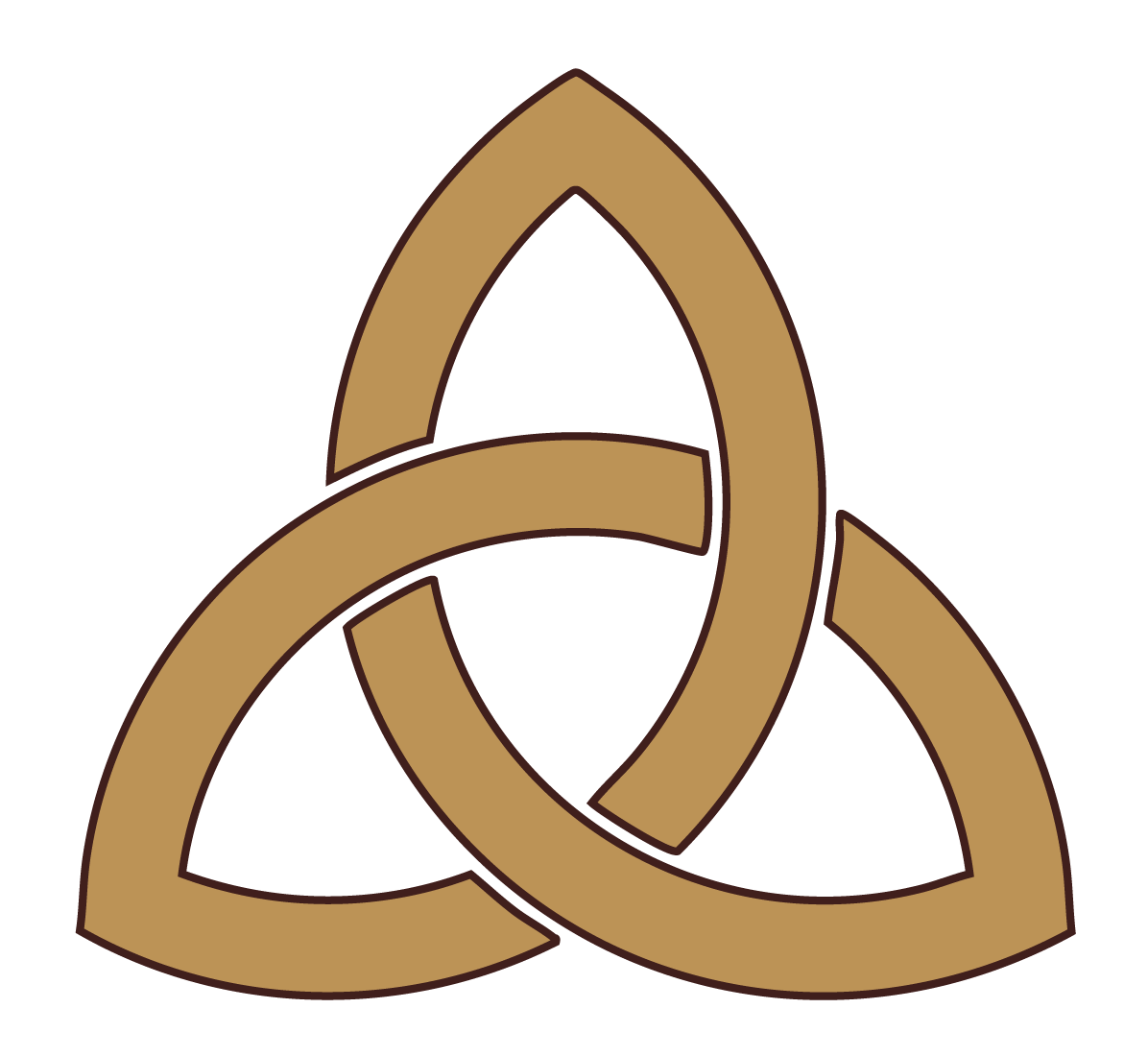
The use of Celtic knotwork in our literature and media is perfect to symbolise St Laurence’s Christian heritage, its monastic past – through the priory founded in the Middle Ages – and the community that’s worshipped continuously in the church for over 900 years, from the priory’s foundation to today. It’s a symbol of our – the present-day church community’s – connection with the founders of our church and the worshippers of all subsequent generations.